
Customs and Immigration
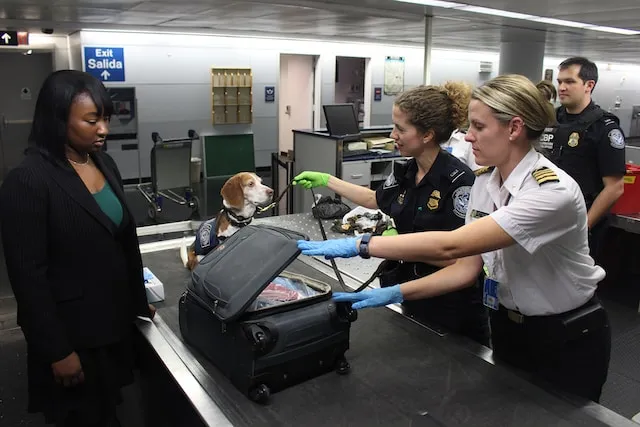
Navigating customs and immigration at Canadian airports can be complex, particularly for first-time travelers or those unfamiliar with the country’s policies and regulations. Understanding these procedures is essential to ensure a smooth and hassle-free entry into Canada.
Canadian immigration policies are designed to facilitate the entry of visitors, temporary workers, students, and permanent residents while maintaining the security and integrity of its borders.
These policies include various visa categories and travel authorizations that are subject to change, so staying informed is crucial.
Customs and Immigration Key Points
When returning to Canada, travelers must know the customs regulations and restrictions that apply to their situation. The following table summarizes key information found on the Government of Canada’s travel website:
Topic | Details |
Personal Exemptions | Canadian residents are eligible for personal exemptions based on the duration of their stay abroad 24 hours: $200 CAD 48 hours: $800 CAD 7 days or more: $800 CAD |
Alcohol and Tobacco | Duty-free allowances apply for alcohol and tobacco products if you meet the minimum age requirements: Alcohol: 1.14 L of spirits, 1.5 L of wine, or 8.5 L of beer or ale Tobacco: 200 cigarettes, 50 cigars, 200 g of loose tobacco, and 200 tobacco sticks. |
Currency | If carrying $10,000 CAD or more in cash or equivalents, you must report it to the Canada Border Services Agency (CBSA). Failure to do so may result in fines or penalties. |
Food, Plant, and Animal Products | Restrictions apply to prevent the spread of diseases. Some items may require permits or be prohibited. Declare all items to the CBSA and follow their guidance. |
Gifts | Gifts worth up to $60 CAD per recipient are duty- and tax-free. Gifts above this value are subject to duties and taxes on the excess amount. |
Cannabis | It is illegal to transport cannabis across the Canadian border, regardless of the legality in the destination country. |
Prohibited Items | Items such as firearms, weapons, explosives, and certain chemicals are prohibited or restricted. Check with the CBSA for specific regulations. |
Reporting | Declare all goods, including purchases, gifts, and items acquired abroad, to the CBSA when returning to Canada. Failure to declare can result in penalties or seizure of goods. |
NEXUS and CANPASS | Trusted traveler programs like NEXUS and CANPASS expedite border crossings for pre-approved, low-risk travelers. Consider enrolling to save time at the border. |
Pre Arrival Preparations
Pre-arrival preparations are crucial for a smooth travel experience. Obtain necessary travel documents, such as visas or eTAs, based on your destination’s requirements.
Visas for Non-Exempt Foreign Nationals
Non-exempt foreign nationals must obtain a visa before traveling to Canada. It includes temporary resident visas, study permits, and work permits. Be sure to apply well before your travel date to allow time for processing.
Electronic Travel Authorization (Eta) for Visa-Exempt Travelers
Visa-exempt travelers, including those from visa-waiver countries and U.S. citizens, must obtain an Electronic Travel Authorization (eTA) before boarding a flight to Canada. This online application process is relatively quick and straightforward.
Benefits of Completing Declarations in Advance
Filling out customs and immigration declarations before arrival can save time and reduce stress at the airport. This allows travelers to focus on other aspects of their journey and helps ensure a smoother entry process.
How to Submit Advance Declarations
Advance customs and immigration declarations can be submitted electronically via the Canadian Border Services Agency (CBSA) website or mobile app.
Be prepared to provide accurate and detailed information about your travel plans, personal belongings, and any goods you intend to bring into the country.
Arriving at Canadian Airports
Upon arrival at Canadian airports, travelers must go through customs and immigration checks. Keep valid documentation available, so biometric verification and document inspection can occur.
Follow instructions from customs and immigration officers, ensuring an efficient and smooth entry process. Declare goods and personal belongings according to regulations.
Customs and Immigration Checkpoints
Upon arrival, travelers will be directed to customs and immigration checkpoints to present their travel documents, including passports, visas, eTAs, and customs declarations.
Biometric Verification and Document Inspection
Biometric verification, such as fingerprinting and facial recognition, may be required for some travelers. Ensure your documents are valid, up-to-date, and readily accessible for inspection.
Declaration of Goods and Personal Belongings
As Canadian customs regulations require, declare all goods and personal belongings, including currency and gifts. Failure to do so may result in fines or penalties.
Tips for a Smooth Customs and Immigration Experience
Be prepared, honest, and patient during the customs and immigration process. Have your documents organized and follow the instructions provided by customs and immigration officers.
Common Issues and How to Address Them
Common issues during customs and immigration include procedural fairness disputes, immigration fraud, and temporary resident visa or work permit problems. To address these issues, consult a legal representative or qualified immigration consultant for guidance.
Procedural Fairness and Handling Immigration Disputes
If you believe you have been treated unfairly during the immigration process, you have the right to challenge the decision. Consult a legal representative or immigration consultant for guidance on how to proceed.
Immigration Fraud Prevention and Awareness
Be aware of immigration fraud, such as false job offers or fake immigration consultants. Verify the legitimacy of any immigration services and report any suspected fraud to the appropriate authorities.
Navigating Temporary Resident Visa and Work Permit Issues
If you encounter issues with your temporary resident visa or work permit, contact the relevant government department or seek advice from a qualified immigration consultant.
Arriving In Canada, Step By Step
The border process looks intimidating the first time and becomes routine after that. Here is the order things usually happen in once your aircraft lands.
- Follow the arrivals signageEveryone on an international flight goes to the same place first. Have your passport out of your bag and your travel documents together before you join the queue.
- Complete your declarationYou will be asked to declare goods you are bringing in, including gifts, alcohol, tobacco, food and anything you bought abroad. Many airports now handle this on a kiosk or in an app rather than on paper.
- Speak with a border services officerExpect straightforward questions about where you have been, why you travelled and what you are carrying. Short, honest answers are all that is wanted.
- Collect your checked baggageBags are claimed after the primary check, even if you are connecting onwards within Canada.
- Clear customs, and recheck if you are connectingIf you have another flight, drop your bag back onto the connections belt after customs and go through security again for the domestic leg.
- Leave time for all of thisOn a connecting itinerary, the border and baggage steps are why a short layover on arrival into Canada is risky.
What You Should Always Declare
Declaring something does not mean you will be charged. It means the officer decides, rather than you guessing. Failing to declare is what creates real problems, including seizure of the goods and penalties.
| Category | Declare it? | Why it matters |
|---|---|---|
| Goods bought or received abroad | Always | A personal exemption may cover part or all of the value, and that exemption grows with the length of time you were away. Duty and tax apply above it. |
| Alcohol and tobacco | Always | Allowances are limited, age restrictions apply, and provincial rules differ. Amounts above the limit are taxable. |
| Food, plants, seeds, meat and dairy | Always | These carry pest and disease risk. Many items are restricted or prohibited, and undeclared food is a common cause of penalties. |
| Cash and money instruments | If it reaches the reporting threshold | Currency of CAD 10,000 or more, or the equivalent in another currency, must be reported when you enter or leave Canada. It is a reporting rule, not a tax. |
| Firearms, ammunition and weapons | Always, and check before you travel | Items that are legal elsewhere may be prohibited or restricted here, and authorisation is needed in advance. |
| Prescription medication | Yes, if asked | Keep medication in its original labelled packaging with a copy of the prescription, which also helps at security. |
| Animals, animal products and souvenirs made from wildlife | Always | Protected species are controlled by international convention, so an innocent looking souvenir can be seized. |
| Commercial goods and samples | Always | Anything for resale or business use is treated differently from personal belongings. |
Amounts and allowances change. Personal exemption values, alcohol and tobacco limits and the list of restricted foods are set by the Canada Border Services Agency and are updated from time to time. Check the current figures on the official CBSA website before you travel, and if in doubt, declare the item and ask.
Documents By Traveller Type
| Who you are | What to have ready |
|---|---|
| Canadian citizen | A valid Canadian passport for air travel. Officers may also ask where you have been and what you are bringing home. |
| Permanent resident of Canada | Your valid PR card or travel document alongside your passport, since airlines check status before boarding a flight to Canada. |
| Visitor | Passport plus whichever entry authorisation applies to your nationality, and often proof of onward travel and where you will stay. |
| Student or worker | Passport, your permit, and supporting paperwork such as an enrolment letter or employment confirmation. |
| Travelling with children | Each child’s own passport, plus documentation of your relationship. If one parent travels alone, a consent letter from the other parent is strongly recommended. |
| Connecting through another country | Check whether that country requires a transit authorisation, because this is decided by the transit country, not by your destination. |
Please note: Get Air Line is an independent travel booking service. We are not a government agency and we cannot grant entry, issue visas or give legal or immigration advice. Everything on this page is general information. Entry decisions rest with border officers, and requirements are set by the relevant government authority and can change at any time.
Unsure which documents your route needs?
Tell us your citizenship, your status in Canada and where you are flying, and we will point you to the right official requirements before you book.
Call +1 226-793-2017